

The Reality of Unregulated Salon Procedures
A salon worker or beautician is trained in external grooming—makeup, superficial facials, and hair styling. They have zero training in human anatomy, pharmacology, or advanced infection control protocols. When salons cross the line into medical procedures, they bypass critical safety checkpoints that doctors spend years mastering.
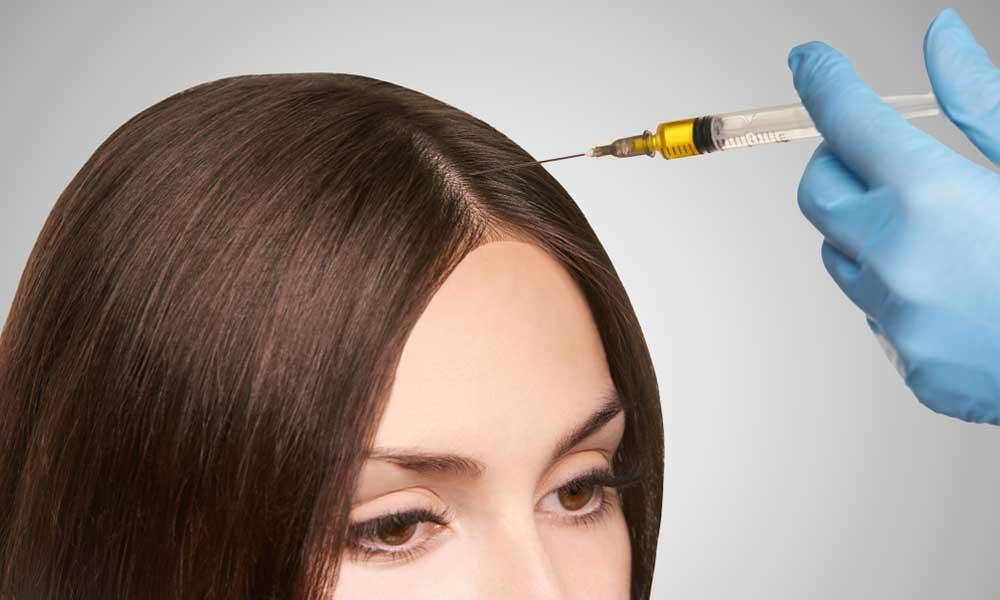
Clinical procedures require a completely sterile environment and closed-loop medical centrifuges to prevent deadly sepsis.
        flowchart LR
            A[Unregulated Salon] --> B(Reuse of Derma-Rollers)
            B --> C{Cross-Contamination}
            C --> D[Hepatitis B & C]
            C --> E[HIV Risk]

            A --> F(Incorrect Acid % Used)
            F --> G{Chemical Burn}
            G --> H[Permanent Scarring]
            G --> I[Severe PIH]

            style D fill:#fed7d7,stroke:#e53e3e,stroke-width:2px
            style E fill:#fed7d7,stroke:#e53e3e,stroke-width:2px
            style H fill:#fed7d7,stroke:#e53e3e,stroke-width:2px
            style I fill:#fed7d7,stroke:#e53e3e,stroke-width:2px
- Cross-Contamination & Bloodborne Pathogens: Procedures like PRP and Microneedling require strict medical-grade sterilization (autoclaving). Salons routinely wipe down used derma-rollers with alcohol (which does not kill viruses) and reuse them on multiple clients, exposing them directly to Hepatitis B, Hepatitis C, and HIV.
- Chemical Burns from Unregulated Peels: Chemical peels use potent organic acids (Glycolic, TCA) to intentionally wound the skin. If a beautician applies the wrong concentration, leaves it on too long, or fails to properly neutralize the acid chemically, the acid will continue burning through the dermis, resulting in permanent Post-Inflammatory Hyperpigmentation (PIH) and pitted scars.
- Inability to Handle Complications: Even in the best hands, medical procedures carry inherent risks of sudden allergic reactions (anaphylaxis) or localized infections. A dermatologist is a licensed medical doctor equipped to immediately prescribe antibiotics, inject steroids, or administer emergency epinephrine. A salon worker cannot legally prescribe or administer these life-saving countermeasures, leaving you entirely helpless in an emergency.
Before agreeing to any procedure that breaks the skin barrier or involves drawing blood, demand to see the practitioner's medical degree (MBBS, MD Dermatology). Your face is not a canvas for dangerous experimentation.
Advanced Treatment Options
At our clinic in Greater Noida, we offer several evidence-based solutions:
| Procedure | Clinical Dermatology Standard | Salon / Quackery Reality |
|---|---|---|
| Chemical Peels | Customized acid concentrations, strict pH neutralization, medical follow-up for barrier repair. | One-size-fits-all harsh acids left on for arbitrary times. High risk of severe chemical burns. |
| PRP Therapy | Sterile phlebotomy, closed-system medical centrifuge to prevent blood contamination. | Unsterile environment, open-air processing of blood leading to massive infection and sepsis risks. |
| Microneedling | Single-use, disposable medical needle cartridges; controlled depth to reach the dermis safely. | Reused or improperly sterilized manual derma-rollers that tear the skin instead of puncturing it cleanly. |

Dr. Manali's Advice
As an M.D. Dermatologist, I treat patients every single month who come in weeping with severely damaged skin—burns, scars, and deep fungal infections—caused by cheap salon packages they bought for a quick fix. Repairing this deep dermal damage is far more expensive, time-consuming, and painful than simply having the procedure done correctly by a doctor in the first place. Never compromise on your medical safety for a discount.