

The Reality of Vitamin C Serum Side Effects
Pure Vitamin C, known as L-ascorbic acid, is highly unstable and notoriously difficult to formulate. To penetrate the skin effectively, it must be formulated at a very low, acidic pH (typically under 3.5). While this makes the antioxidant powerful, it also makes it highly irritating for many people. Common Vitamin C serum side effects include:
- Stinging or burning upon application
- Persistent redness or flushing
- Dryness, flaking, and peeling skin
- Allergic contact dermatitis
Vitamin C and Acne Breakouts
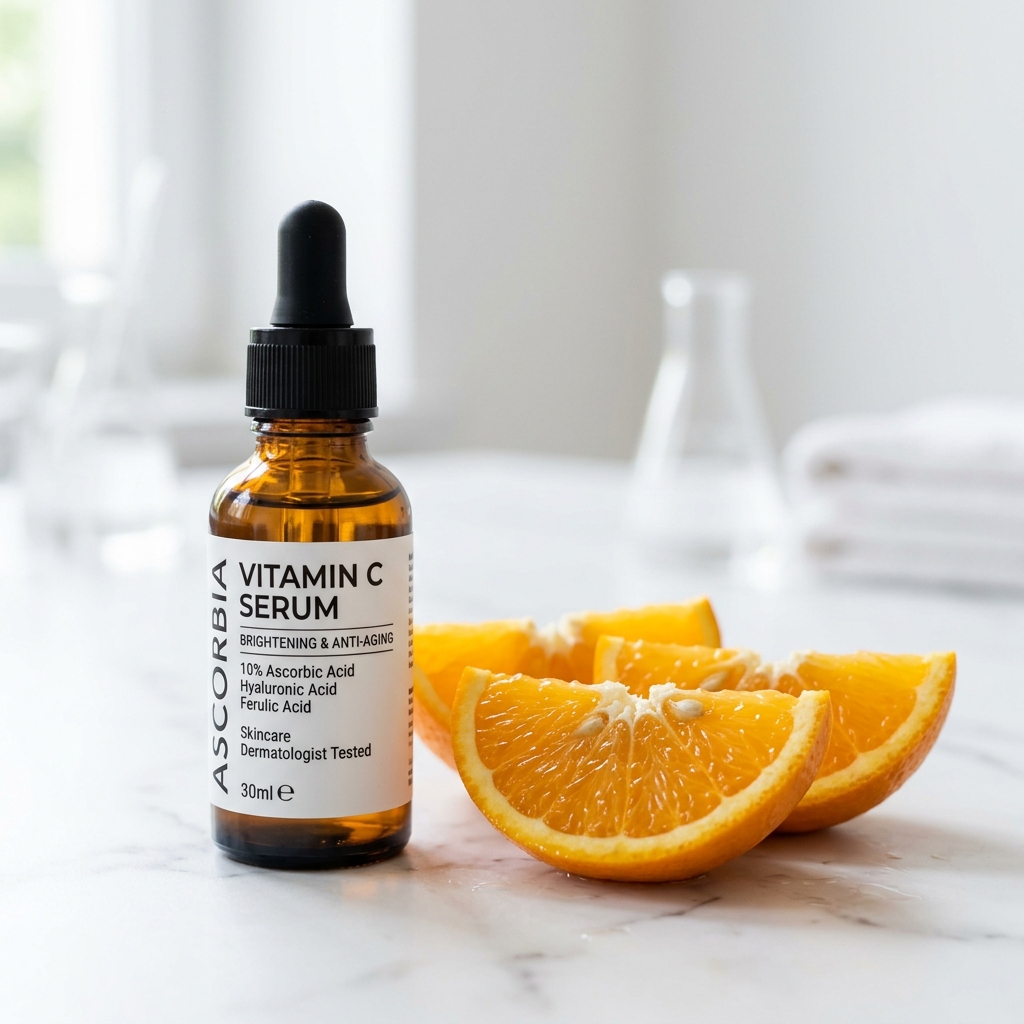
One of the most common complaints I hear is about Vitamin C and acne breakouts. Pure Vitamin C does not directly cause acne. However, the heavy, oily bases used to stabilize L-ascorbic acid (like Vitamin E or Ferulic Acid) can easily clog pores. Furthermore, the extreme acidity can disrupt your skin barrier, triggering an inflammatory response that leads to breakouts or worsens existing acne.
Who Should Avoid Vitamin C Serum?
You might be wondering who should avoid Vitamin C serum? You should likely pause or completely avoid L-ascorbic acid if you have:
- Active Rosacea: The acidic nature will trigger flare-ups and intense flushing.
- Highly Sensitive Skin: A compromised skin barrier will react poorly, leading to stinging and long-term damage.
- Active, Severe Acne: The low pH and heavy formulations can exacerbate inflamed acne.
- Eczema or Contact Dermatitis: Vitamin C will irritate broken or impaired skin.
Myths vs. Facts: Vitamin C Serums
Myth: Everyone needs a Vitamin C serum in their morning routine to protect against environmental damage.
Fact: While antioxidants are essential, Vitamin C is not the only option. Dermatologists often recommend alternative, gentler antioxidants for a safe sensitive skin routine.
Myth: If your Vitamin C serum burns, it means it's working.
Fact: Skincare should not burn! A mild, fleeting tingle is acceptable for some active ingredients, but persistent stinging and redness indicate a compromised skin barrier.
Alternatives for a Sensitive Skin Routine
If you fall into the category of people who should avoid Vitamin C, do not worry. There are many dermatologist recommended face serums that offer brightening and antioxidant benefits without the harsh side effects.
| Ingredient Alternative | Best For | How It Compares |
|---|---|---|
| Niacinamide | Sensitive Skin, Redness, Acne | Repairs the skin barrier, reduces inflammation, and brightens without acidity. |
| Azelaic Acid | Rosacea, Acne Marks, Pigmentation | Extremely gentle exfoliant that reduces redness and lightens dark spots effectively. |
| Vitamin C Derivatives (e.g., Sodium Ascorbyl Phosphate) |
Mildly Sensitive Skin, Mild Acne | Less potent but much more stable and formulated at a neutral, non-irritating pH. |

Dr. Manali's Advice
As a dermatologist, I often see patients who push through the burn of a high-strength Vitamin C serum, assuming the irritation is just part of the process. However, persistent stinging and redness are clear warning signs of barrier damage, not efficacy. If you have sensitive skin or have noticed an increase in acne breakouts since starting a new serum, step back. Switch to dermatologist recommended face serums containing gentle alternatives like Niacinamide or Azelaic Acid. Remember, a healthy, intact skin barrier is always the most important foundation for glowing skin.